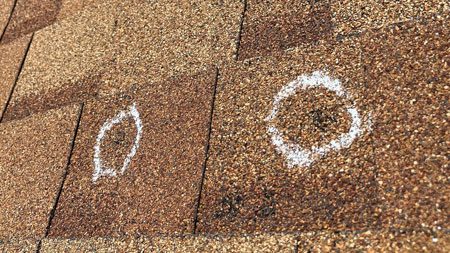
Hailstorms are a fact of life in Colorado. From late spring through early fall, homeowners across the Front Range brace for the familiar rattle of ice against windows and roofs. These storms can move through quickly, but the damage hailstorms leave behind can last for years if not addressed. The challenge is that hail damage isn’t always obvious, and many homeowners don’t realize there’s a problem until leaks, mold, or insulation issues appear.
Identifying hail damage early can save you thousands of dollars in long-term repair costs and prevent insurance claim complications down the road. Even minor bruising or granule loss can reduce your roof’s ability to protect your home from Colorado’s intense UV rays, temperature swings, and heavy snowfall.
At Custom Exteriors, we’ve spent decades helping Colorado homeowners navigate the aftermath of severe weather. As a locally owned and operated roofer based in Greeley, we understand the unique roofing challenges that come with our state’s high-altitude climate and frequent hailstorms. Our goal is to help you recognize the signs of roof damage early, so you can protect your home, your investment, and your peace of mind.
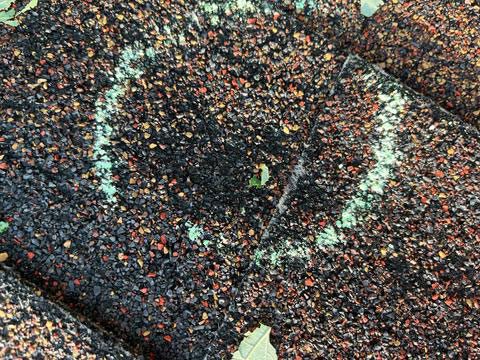
Colorado is one of the most hail-prone states in the country, often ranking among the top three each year for hail-related insurance claims. Homeowners across the Front Range, from Fort Collins to Colorado Springs, experience regular severe weather during the spring and summer months. Hailstones here can range in size from small pellets to golf balls or larger, and even a short storm can leave a lasting impact on your roof.
Our state’s geography plays a big part in this. The combination of high elevation, dry air, and rapid temperature changes creates perfect conditions for hail formation. Cold air from the mountains mixes with warm, moist air from the plains, causing strong updrafts that allow hailstones to grow larger before falling. Because of this, hailstorms often hit communities along the I-25 corridor with little warning and intense force.
In Colorado, these storms don’t just affect one type of property or roof style. Asphalt shingles can lose granules or crack, metal roofs can dent, and flat or commercial roofs can suffer punctures or membrane damage. Over time, even small areas of impact can compromise waterproofing layers and shorten a roof’s lifespan.
For homeowners, this means regular roof inspections aren’t optional; they’re essential. After major hail events, having a professional inspection from a local roofing contractor who understands Colorado’s codes and climate can make all the difference. Custom Exteriors has seen firsthand how early detection and proper documentation can prevent costly repairs and insurance challenges later.
After a Colorado hailstorm, your first instinct may be to check your roof, but climbing up there isn’t necessary or safe. The good news is that you can often spot early signs of hail damage from the ground with a careful inspection. These indicators can help you determine whether it’s time to call a professional roofing contractor for a closer look.
Start by stepping back far enough to see your roof clearly. Look for missing or dislodged shingles, dark spots, or areas where shingles appear shiny; these can indicate granule loss from hail impacts. If you have a metal roof, check for minor dents or uneven reflections where hail may have struck. You might also notice bent flashing or dents along the ridge cap or roof edges, which often take the brunt of hail impact.
Sometimes, the best evidence of hail damage is found away from the roof itself. Walk around your property and look for:
After a storm, take clear, date-stamped photos of any visible damage. This documentation can be extremely helpful if you later file an insurance claim. Then, contact a local roofing company familiar with Colorado’s hail patterns and insurance process — like Custom Exteriors — to perform a detailed inspection and provide a professional assessment.
While some hail damage is visible from the ground, most of it requires a closer inspection to confirm. Every roofing material reacts differently to hail, and the size, speed, and density of the hailstones all affect the type of damage your roof may have sustained. Understanding what to look for helps homeowners know what their contractor is identifying during an inspection, and why repairs or even roof replacement may be recommended.

Asphalt shingles are the most common roofing material in Colorado and also the most frequently affected by hail. Damage can appear as dark, circular spots where granules have been knocked off. These spots can expose the asphalt layer underneath, leaving the roof more vulnerable to UV rays and water intrusion. You may also notice soft, bruised areas that feel spongy to the touch, a sign that the shingle mat has been compromised.

Metal roofs are extremely durable, but they aren’t immune to hail. Instead of cracks or granule loss, you’ll often see small, visible dents or surface dimples. While this may seem cosmetic, hail can damage protective coatings that prevent rust and corrosion. Over time, that can shorten the roof’s lifespan or void the manufacturer’s warranty if left unaddressed.

On flat or low-slope roofs, like those found on many multi-family buildings and commercial roofs in Colorado, hail can cause punctures, blisters, or membrane tears. After a severe storm, these roofs may also develop ponding water, worsening existing damage and accelerating deterioration. These roofing systems often require specialized coatings or repairs to restore waterproofing integrity.

Hail rarely stops at the roof. Check your siding, fascia, and trim for cracks, chips, or punctures, especially on the sides of your home that face the direction the storm came from. In Colorado’s strong winds, hail can hit horizontally, damaging more than just the top of your roof.
When in doubt, it’s best to have a professional inspection performed by a local roofing contractor who understands how different roofing systems respond to hail. At Custom Exteriors, our trained inspectors can evaluate each material type and provide a detailed report outlining the condition of your roof and the best next steps for repair or replacement.
Many homeowners are surprised to learn that hail damage isn’t always obvious, or that some visible marks may not actually be hail-related. Understanding the difference between real impact damage and normal wear can save you time, stress, and unnecessary expenses.
One of the biggest misconceptions about hail damage is that it only matters if your roof is leaking. In reality, hail can bruise, crack, or dislodge shingle granules without immediately causing a visible leak. Over time, these weak points expose your roof to moisture, UV rays, and temperature extremes, all of which can shorten its lifespan. By the time a leak appears, the damage is often far more extensive and costly to repair.
Not all roof damage comes from hail. Every day wear, age, falling debris, and even foot traffic can cause discoloration or marks that look similar. A trained roofing professional knows how to distinguish between hail impact and unrelated wear by checking for consistent strike patterns, shingle mat bruising, and other key indicators.
Even small hail can create damage that affects your roof’s long-term performance. Granule loss, dents in flashing, or minor cracks may seem harmless now, but can lead to water intrusion and insulation issues down the road. Addressing damage early, even if it appears minor, protects your roof and preserves your insurance coverage.
While many contractors offer inspections, not all are experienced in hail-specific assessments. In Colorado, where hail damage claims are common, it’s essential to work with a licensed, insured, and locally experienced roofing company. An experienced team, like Custom Exteriors, knows what insurance adjusters look for and how to document damage for a smooth claims process.
Each hailstorm is different, and roofs that withstood one event may not handle the next. Repeated impacts over time can compound damage, even if it wasn’t significant initially. Regular inspections after severe weather ensure that your roof continues to perform as it should and that small issues don’t become expensive problems.
After a hailstorm, it’s tempting to do a quick visual check and assume your roof is fine if nothing looks obviously damaged. Unfortunately, much of the most serious hail damage isn’t visible from the ground, and the longer it goes unnoticed, the more it can cost to repair later. That’s why scheduling a professional hail damage inspection is one of the smartest steps a Colorado homeowner can take after severe weather.
A professional inspection goes far beyond what you can see with the naked eye. Experienced roofing specialists are trained to identify bruised shingles, lifted flashing, and punctured underlayment, all signs that hail has compromised the roof’s integrity. Using specialized tools and inspection techniques, they can detect impact points that weaken waterproofing, even if the shingles look fine from below.
In Colorado, local expertise matters. A licensed and insured roofing contractor understands how hail patterns differ across the Front Range and how local building codes affect repair requirements. For example, roofing in cities like Greeley, Loveland, and Boulder may require knowledge of the unique code updates that govern how roofs must be restored after storm damage in those jurisdictions. Working with a company familiar with these local regulations helps ensure your roof meets all requirements and passes inspection the first time.
At Custom Exteriors, we’ve performed thousands of hail inspections across Northern and Central Colorado. We use clear documentation, including photos and detailed reports, so you know exactly what condition your roof is in and whether any repairs are needed. This information is essential if you decide to file an insurance claim, as it provides solid evidence of storm-related damage.
Our goal is simple: to help homeowners protect their property and avoid unnecessary stress. Whether you’re dealing with recent hail damage or want peace of mind before the next storm season, our team makes the inspection process straightforward, professional, and pressure-free.
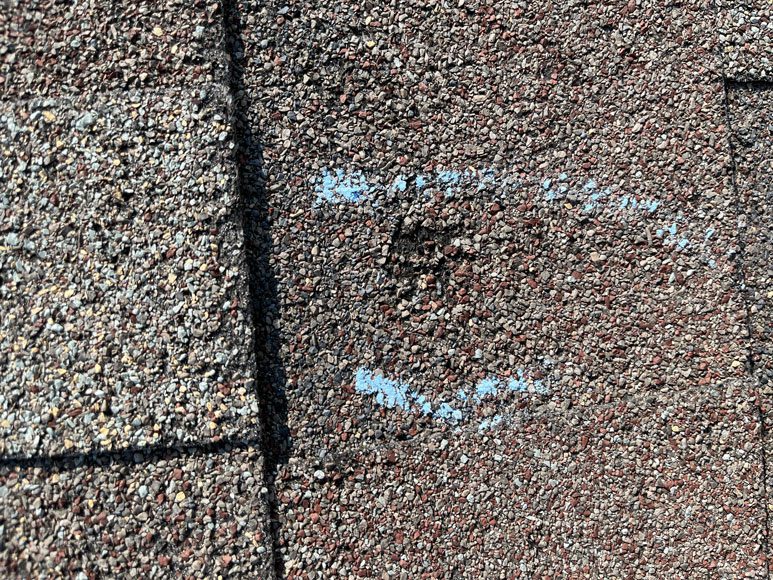
If your inspection reveals hail damage, it’s important to take the next steps carefully and in the right order. How you move forward can make a big difference in the outcome of your insurance claim and the quality of your roof replacement.
Start by gathering all the evidence of the storm and its impact. Your roofing contractor should provide photos, inspection notes, and a detailed report outlining the type and extent of the damage. Keep copies of everything; these documents will help you if there are any questions during the claims process. It’s also a good idea to note the date and time of the storm, especially if you experienced hail in your neighborhood that caused visible damage to vehicles or landscaping.
Once you have documentation, you can contact your insurance company to begin the claim process. Most providers will assign an adjuster to inspect your property. Having your roofing contractor present during that inspection can be a major advantage. A professional roofer knows the terminology, can point out subtle damage, and ensures that nothing is overlooked when your claim is being evaluated.
When you receive your insurance estimate, review it line by line with your contractor. Look for clear descriptions of work, including materials, quantities, and replacement details. Avoid “total-only” estimates that don’t show a breakdown of labor, disposal, and code-required upgrades. This is also the time to clarify coverage limits. For example, if your policy is ACV (Actual Cash Value), it may pay less than an RCV (Replacement Cost Value) policy. Your contractor can help you understand what’s covered and what might require out-of-pocket payment.
Once your claim is approved, it’s time to schedule the work. Choose a local, licensed, and insured roofing contractor who has experience with insurance restoration and understands Colorado’s weather and building codes. They should provide a written contract, clear start date, warranty details, and a cleanup plan. At Custom Exteriors, we handle everything from material selection to post-install inspection to make sure your roof is installed correctly and your property is spotless when we’re done. We make the process even easier by being a full-service exterior contractor.
After your new roof is installed, take a few preventive steps for the future. Consider impact-resistant shingles, especially Class 4 roof products designed for Colorado’s hail-prone climate. Keep records of your new roof, including invoices, warranties, and photos, as these will help with future claims and resale value.
At Custom Exteriors, we believe transparency, documentation, and communication are key to a stress-free storm recovery process. From the first inspection to the final cleanup, our goal is to ensure you know what to expect, understand all costs, and feel confident that your home is protected for years to come.
In Colorado, hail isn’t a matter of if; it’s a matter of when. While you can’t stop severe weather, you can take smart steps to minimize damage and protect your home before the next storm hits. Regular maintenance, quality materials, and a trusted local roofing partner are the keys to long-term peace of mind.
If you’re replacing your roof, ask your contractor about Class 4 impact-resistant shingles or other durable roofing systems. These products are specifically designed to withstand the force of hailstones and can significantly reduce the likelihood of damage. Many Colorado homeowners also qualify for insurance discounts when upgrading to these materials.
Clogged gutters and downspouts can cause water to back up under shingles during heavy rain and hailstorms. Schedule regular gutter cleanings and trim nearby branches that could break during strong winds. Maintaining proper drainage helps your roof shed water and hail efficiently.
An annual inspection by a local roofing contractor ensures that small issues, such as lifted shingles, worn sealant, or flashing gaps, are caught before a major storm. Proactive inspections not only protect your roof but also help establish a maintenance record, which can be valuable for insurance purposes.
Review your homeowner’s insurance policy each year and make sure you understand what’s covered. Know whether you have RCV (Replacement Cost Value) or ACV (Actual Cash Value) coverage and whether code upgrades are included. Clear coverage now can save you unexpected costs later.
When the next hailstorm strikes, having a roofing company you already trust makes all the difference. A reputable contractor will respond quickly, assess the damage accurately, and guide you through the insurance estimate without pressure or confusion.
If you suspect hail damage or want to make sure your roof is ready for the next storm season, contact Custom Exteriors today for a free inspection. We’ll provide honest answers, expert recommendations, and reliable protection for your home, long before the next round of hail hits.