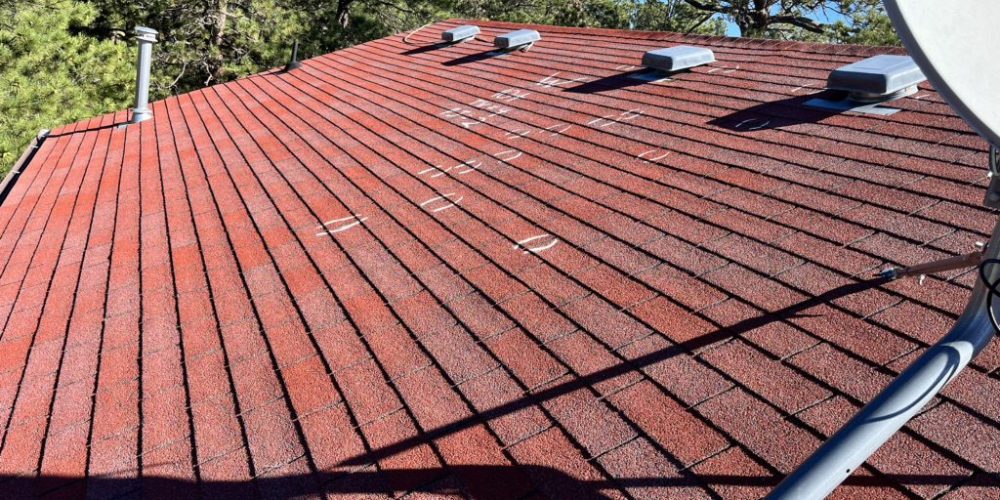
As Colorado natives and local roofing contractors, we know exactly what it’s like to live through Colorado’s severe weather season. Every spring and summer, large hail, strong winds, and fast-moving storms sweep through our communities, often leaving behind damaged roofs, siding, and gutters. If you’re reading this, you’ve likely discovered hail damage on your roof and are getting ready to file an insurance claim for your roof replacement.
The process can feel overwhelming at first, especially if this is your first time dealing with an insurance-covered repair. That’s where we come in. At Custom Exteriors, we’ve guided countless Colorado homeowners through hail damage insurance claims and understand every step, from the initial inspection to the final approval and installation. Because we’ve been on both sides of the process, as homeowners and roofing professionals, we know how to make it clear, efficient, and stress-free so you always know what to expect.
Let’s walk through what happens after you file your claim and how to make sure your hail damage roof replacement goes as smoothly as possible.
When it comes to insurance-covered roof replacement, the process usually begins with a call to your insurance company, and that’s where things can get confusing. Homeowner’s insurance policies use terminology that isn’t always easy to understand, and coverage details can vary widely from one policy to another.
For example, there’s a significant difference between an ACV (Actual Cash Value) policy and an RCV (Replacement Cost Value) policy. That distinction determines how much your insurance company will pay for your new roof, and it’s one of the most important details to clarify early in the process. Understanding your coverage upfront helps prevent frustration or unexpected costs later.
Here in Colorado, hail and wind are part of life every summer, which makes roof damage claims especially common. The Colorado Department of Regulatory Agencies (DORA) provides valuable guidance for homeowners navigating storm recovery. Their top advice during severe weather season? Know your policy.
Even experienced roofing contractors can’t interpret the fine print of your individual coverage, and they shouldn’t. While your roofer can help explain items in your estimate or inspection report, questions about coverage limits, exclusions, or claim approvals should always be directed to your insurance representative. They’re the only ones who can confirm what’s covered under your policy and why.
Taking the time to clarify these details ensures a smoother process for everyone involved. Your insurance company can walk you through your specific coverage, while your roofing contractor focuses on restoring your home safely and efficiently. When both sides communicate clearly, your insurance-covered roof replacement becomes far less stressful, and you can feel confident that every step is handled correctly.

One of the most challenging parts of navigating an insurance-covered roof replacement is understanding why costs can vary so much. It’s not a one-size-fits-all situation , many factors influence the total cost of your roof replacement. Every roof is different, and elements like material type, roof size, pitch (the steepness of your roof), and the extent of damage all play a major role in determining your final price.
For example, compare a full roof replacement on a large custom home using synthetic shake shingles to one on a smaller home with standard asphalt shingles. The cost difference can be significant. Roofing materials alone can dramatically affect your project total, but so can the type of property. Commercial roofs, flat roofing systems, and multi-family properties each have unique design requirements that influence labor and materials.
Because of this complexity, contractors must bring not just experience, but real expertise. A professional roofing contractor understands how local codes, materials, and installation techniques impact your replacement. For instance, a roof replacement in Niwot, Colorado may have different code requirements than one in Greeley, Colorado. While most jurisdictions follow 2018 roofing codes, many add local rules, such as requiring ice and water shields or drip edge, that can affect both pricing and installation timelines.
A trained roofing professional also sees details that homeowners might overlook, from hidden decking issues to ventilation needs. Their ability to identify these factors early can prevent costly surprises later. In addition, an experienced contractor can help you choose the best materials for your home’s design, budget, and the demands of Colorado’s weather, ensuring long-term performance and value.
In short, hiring a professional isn’t an extra step, it’s the smartest one. Their expertise saves you time, money, and frustration, while ensuring your roof replacement is completed correctly, efficiently, and to local code standards.
Once your roof inspection confirms hail damage, the next step is filing an insurance claim and securing approval for the necessary repairs. This stage can be one of the most time-consuming and confusing parts of the process. It often involves documenting the full extent of damage, collecting repair estimates, and communicating with multiple parties, all while trying to understand your insurance company’s terminology and requirements.
When replacing your roof after hail damage, it’s important to remember that achieving full and fair compensation to restore your property to its pre-storm condition sometimes requires negotiation. That can be intimidating, especially for commercial properties, multi-family roofing projects, or even complex residential claims.
The good news? You don’t have to manage it alone. A trusted local roofing company can serve as your advocate throughout the process. Experienced contractors understand how to navigate the insurance system, present accurate documentation, and communicate effectively with adjusters to ensure your roof replacement is covered appropriately.
With the guidance of a knowledgeable roofing partner, you can feel confident knowing your home or business will be restored correctly, without unnecessary stress or delays. Let your contractor’s expertise and negotiation skills turn what feels like a complicated process into a straightforward, successful experience.
Now, let’s talk about the roof inspection, a key step to your roof replacement. Here is what you can expect during this important process.
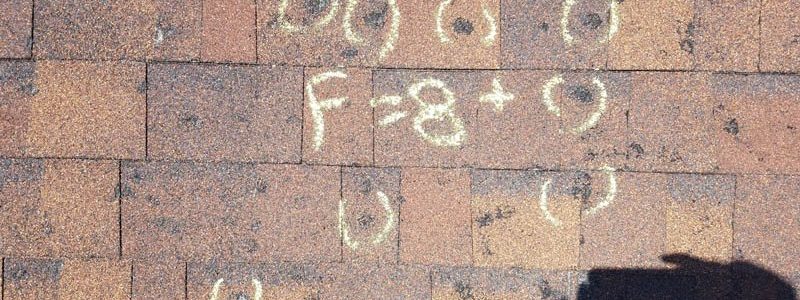
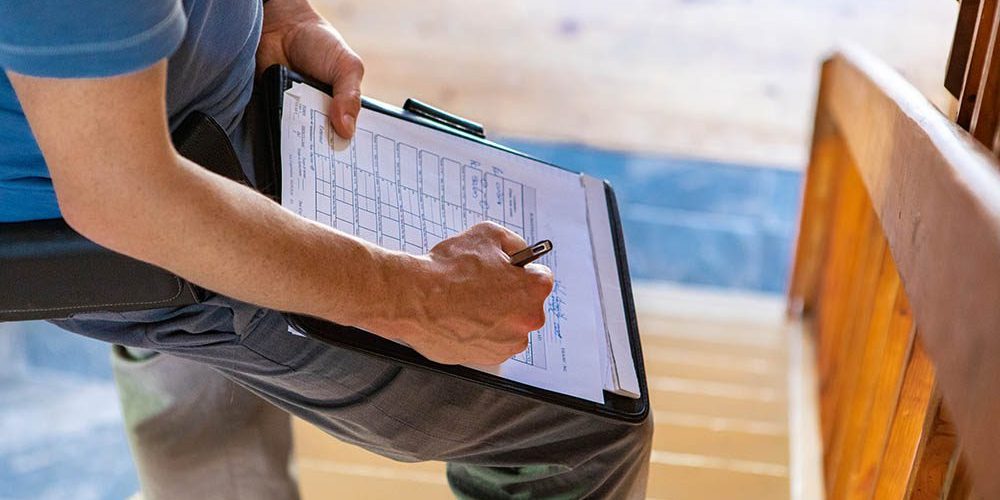
A professional roof inspection is not just a quick glance. It’s an in-depth process, and you should anticipate your roofing contractor to be on-site for some time. At Custom Exteriors, our HAAG-certified roofing inspectors examine every inch of your roof, including the shingles, flashings, vents, caulking, and each component of your roof. This thorough roof inspection ensures you are being adequately compensated for your restoration.
It isn’t just about what’s on your roof. A qualified roofing inspector will also take a moment to check for any interior damage and assess the condition of your roof deck at this time. This may involve them needing access to your attic. While there, they can check for signs of any interior water damage or rotting roof deck. It’s also a great time to check to see if the property has spaced roof decking. Roofing codes will require the replacement of spongy or spaced decking, so this inspection is important to complete before repairs start to avoid any surprise costs during your roof replacement.
After the inspection, you should expect a detailed report of what was found. This should be a clear and concise report, complete with photos, videos, and/or verbal documentation of findings. This is your proof of the condition of your roof. This information is crucial for your insurance claim because it visually demonstrates your need for a roof replacement.
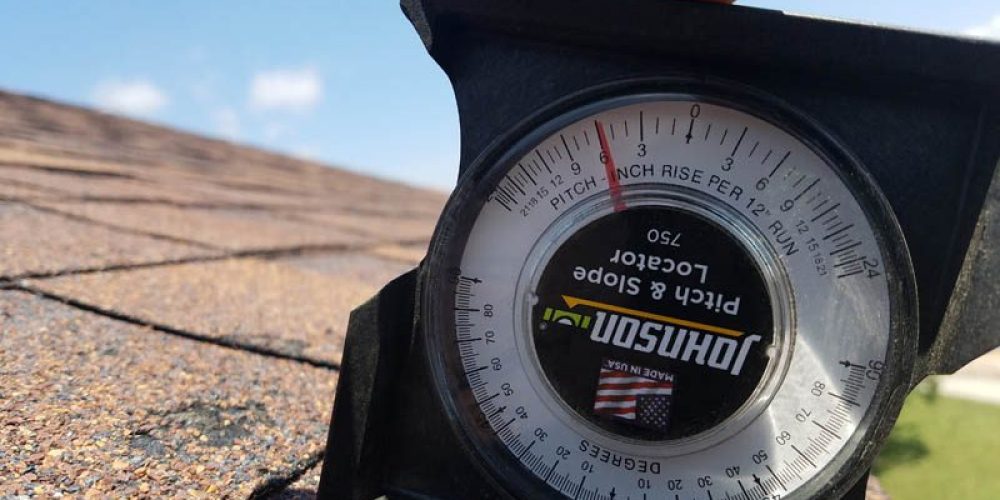
So, when your roofing inspector arrives, feel free to ask questions and get involved. Remember, this is your home, and understanding what’s happening with it is not just your right but a smart move. A good roofing inspector will be more than happy to walk you through their findings and explain things in a way that makes sense to you.
After the inspection comes another critical piece to this puzzle: the estimate for your roof replacement. Here’s why a clear, detailed, and transparent estimate is so important:
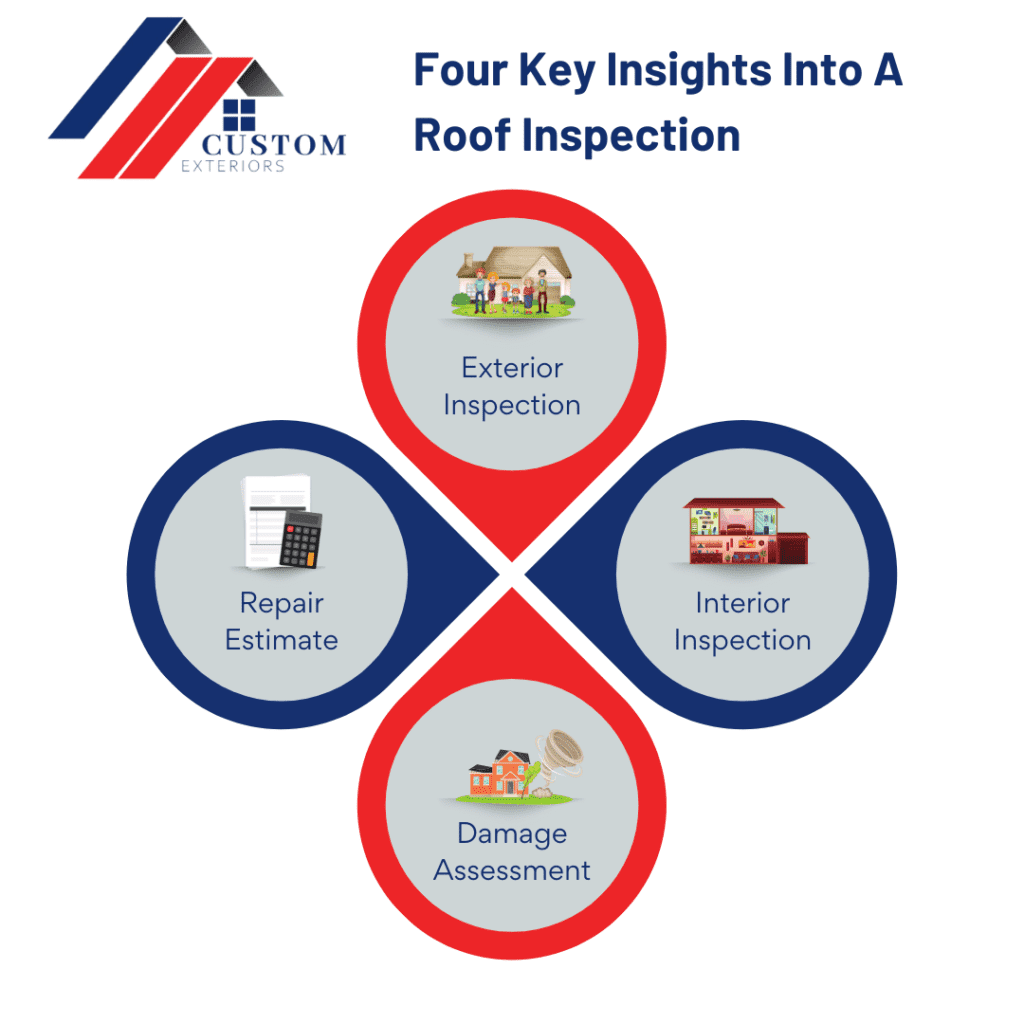
When it comes to your home’s exterior, every element works together to protect, enhance, and define your property. From the roof that shields you from Colorado’s changing weather to the siding that adds character and curb appeal, each feature serves an important purpose. Your windows bring in light and connect you to the outdoors, while gutters manage rainwater and protect your foundation. Add in fencing for privacy and security, and decks that create inviting spaces for family and friends, and you have the complete picture of a well-designed, functional exterior. All of these details form the backdrop of everyday life. Let’s take a closer look at each component and what your contractor should be checking during an exterior inspection.

For several reasons, understanding what to expect during an exterior home inspection after a storm is important. Firstly, it allows you to set reasonable expectations for the process. Because of this, you’re prepared for thorough home inspections. These areas will include roofing, siding, windows, gutters, fencing, decks, and personal property. This knowledge then enables you to ask informed questions. This will then allow you to gain insights into potential damage. Secondly, knowing the inspection process allows you to work well with your contractor.
Moreover, by understanding the details of post-storm inspections, you can make informed decisions about necessary repairs or replacements. Doing so prevents further deterioration and safeguards your property. Ultimately, this awareness offers you peace of mind. You can then rest assured that you’re taking steps to maintain your home’s beauty, safety, and value.
In addition to the inspection by your contractor, your insurance company will likely send out an adjuster to inspect your property. Insurance home inspections are an important step towards recouping the funds needed to return your house to pre-storm condition. While many are aware of the basics, several lesser-known aspects can impact the process and outcomes. A well-documented inspection, with contractor involvement, is the fastest way for efficient insurance approvals and timely repairs. Here are six things you might not know about getting an insurance home inspection:
1. Multiple Inspections May Be Necessary: It’s not uncommon to have multiple inspections, often involving contractors and insurance inspectors. This ensures a understanding of the damages and their extent.
2. Contractor Presence Matters: Having your contractor present during the insurance inspection is important. Their expertise then helps ensure that all damages are properly documented and accounted for. By doing so, they are guaranteeing fair compensation for repairs.
3. Access to Your Entire Property is Required: The inspection process extends beyond the exterior of your home. Inspectors will require access to your entire property. This is including your house’s interior and front and back yards.
4. Exterior Repairs Can Be Noisy: Anticipate that exterior repairs can create noise and disruptions. So, depending on the damage extent, interior access may be needed. Knowing this allows you to be prepared.
5. Documentation is Key: The inspection should be documented with photos and possibly video. This is valuable evidence for your insurance claim and ensures transparency.
6. Swift Inspection Benefits: Completing the inspection promptly has its advantages. It speeds up the insurance approval process. By doing this, they are allowing you to move forward with necessary repairs swiftly. This can help you avoid the post-storm repair frenzy and potential lack of material availability.
It’s crucial to remember that it’s your insurance footing the repair bill, not your personal finances. A wise plan is to choose the company that aligns with your preferences over the cheapest option. However, your insurance policy will require that you pay your deductible, regardless of the overall repair cost. Be prepared for this financial commitment based on your policy terms.
Additionally, homeowners should exercise caution when roofing contractors offer to “cover their deductible.” This practice is not only against the law but also a matter taken seriously by insurance commissions. It’s a principle that reputable roofing contractors uphold with integrity.
Choosing a local roofing company means having a partner within reach. They are just a short drive away. Because of this, making appointments, inspections, and any follow-up work is very convenient. Being local also means they are well-versed with your area’s unique weather challenges and building codes. Because of this, a local roofing company understands your community’s specific needs and architectural trends. They are familiar with the regional roofing styles, materials, and trends. This knowledge ensures that your roofing project blends seamlessly with the surrounding homes.
Additionally, a local roofing company’s reputation is often built within the community. They have a vested interest in maintaining their standing. This also encourages them to build lasting relationships. This can often mean high-quality work, exceptional customer service, and a commitment to delivering on promises. This also applies during urgent repairs or storm damage. Because of their location, a local roofing company can respond quickly. They can assess the situation quickly, provide solutions, and initiate repairs to safeguard your property.
Choosing a local trusted roofing company isn’t just about hiring a contractor – it’s about having a partnership rooted in shared values. It’s about accountability and a commitment to your community’s well-being. At Custom Exteriors, we take pride in being an integral part of our community. Our local expertise, dedication, and personalized approach make us the preferred choice for all your roofing needs. With us, you’re not just getting a roofing solution – you’re getting a reliable partner dedicated to improving the quality and safety of your home.